Navigating Intersections Between Regulatory Compliance and Transaction Innovations Across Regulated Digital Table Formats on Portable Devices
Elena Walter · Sep 22, 2026
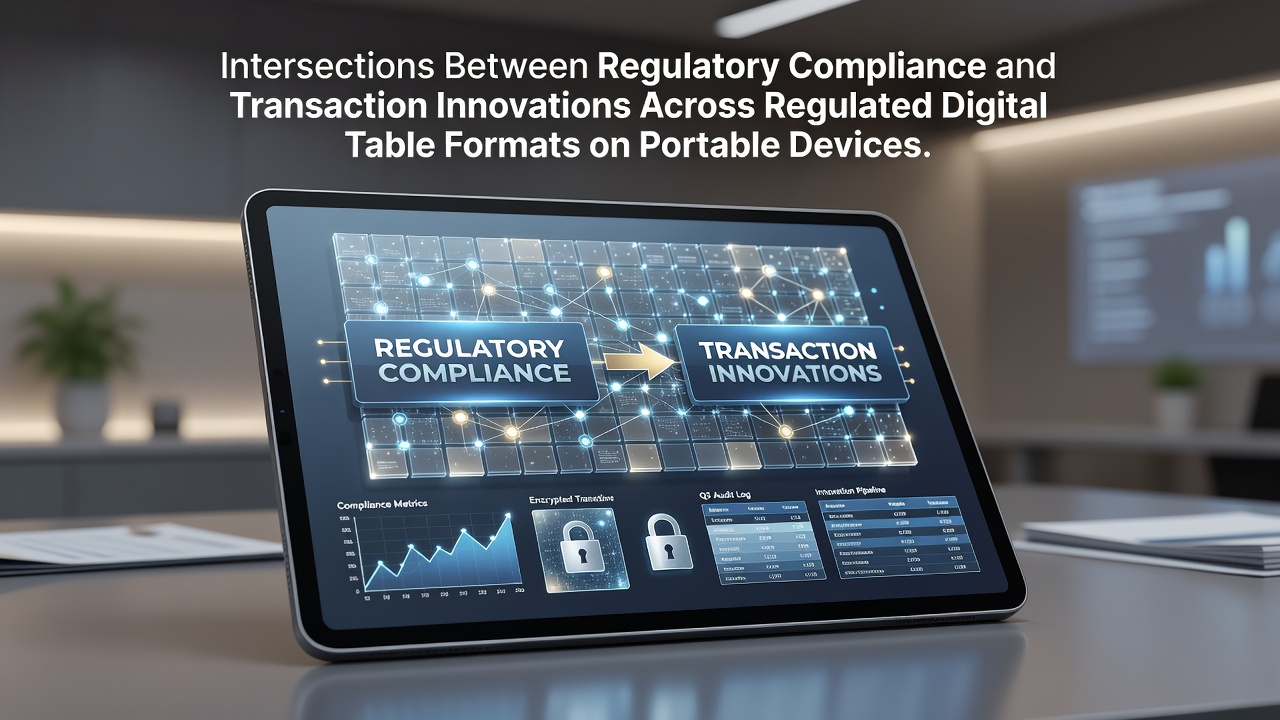
Navigating Intersections Between Regulatory Compliance and Transaction Innovations Across Regulated Digital Table Formats on Portable Devices
Regulated digital table formats on portable devices require operators to align payment systems with evolving compliance standards that govern transaction speed, verification processes, and data security across multiple jurisdictions. These intersections appear when mobile platforms host games such as blackjack or roulette while processing deposits and withdrawals through methods that must satisfy both local licensing conditions and international financial rules.
Regulatory Frameworks Shaping Mobile Table Transactions
Authorities in various regions maintain specific requirements for how funds move within digital table environments accessed via smartphones and tablets. Data from the European Commission shows that directives on payment services emphasize strong customer authentication and real-time monitoring to prevent unauthorized transfers. Operators must therefore integrate these protocols into apps that deliver live dealer experiences, ensuring that each transaction logs player identity details without disrupting game flow.
Canadian provincial regulators have introduced similar mandates that tie licensing renewals to demonstrated compliance with anti-money laundering checks during mobile sessions. Research indicates that platforms handling table games on portable devices often employ automated systems to flag unusual patterns, such as rapid successive deposits, while still allowing seamless play transitions between rounds.
Innovations in Transaction Methods for Portable Formats
Digital wallet integrations and instant bank transfer solutions have expanded options for users engaging with regulated table content on mobile devices. These tools reduce processing times compared to traditional card methods, yet they must incorporate verification layers that satisfy regulatory audits. Industry reports note that providers adapt application programming interfaces to embed compliance checks directly into the transaction pipeline, allowing funds to appear in player accounts within seconds while maintaining audit trails.
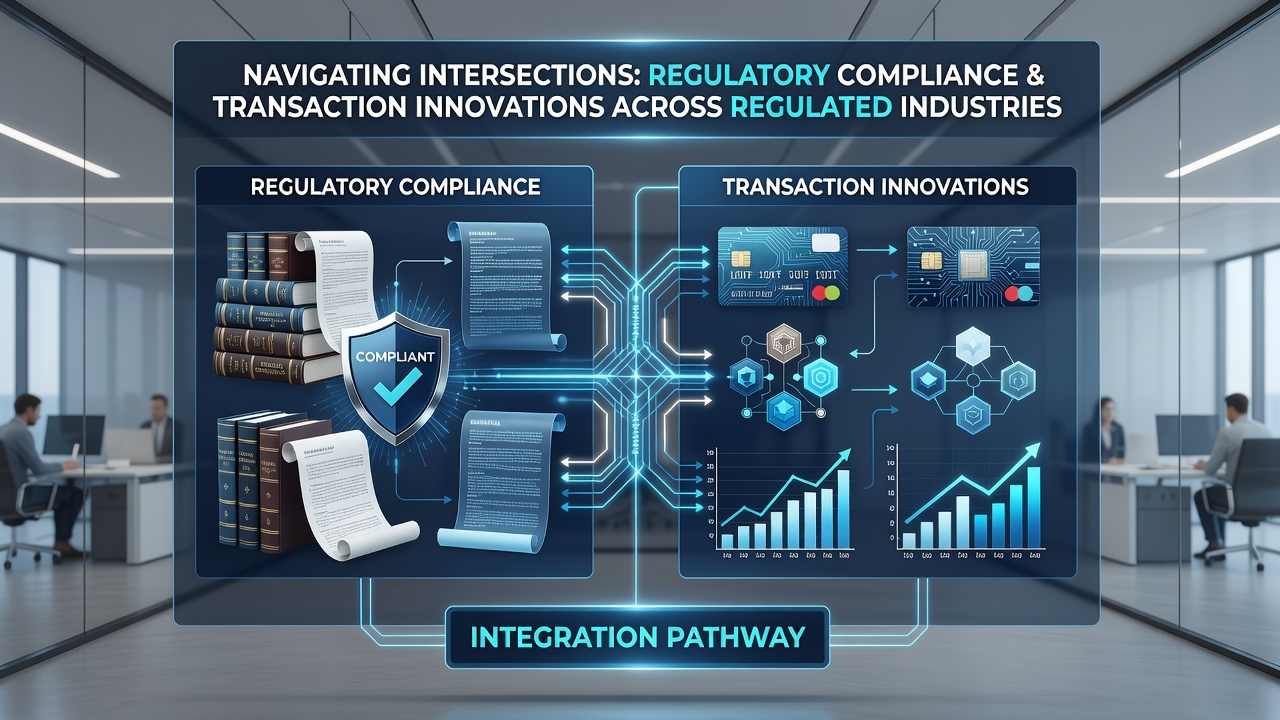
Some suppliers have incorporated biometric authentication tied to payment confirmations, a step that aligns with guidelines from bodies such as the Australian Transaction Reports and Analysis Centre. This approach connects device-level security features with backend compliance databases, creating continuous verification without requiring players to pause gameplay for additional steps.
Challenges at the Intersection of Compliance and Innovation
Portable device environments present unique hurdles because screen size limits the display of detailed compliance notices during active table sessions. Observers note that developers address this by using background processes that handle regulatory reporting while the user interface remains focused on game elements. Yet synchronization between these layers demands precise engineering to avoid latency that could affect real-time betting decisions.
Figures from academic studies at institutions tracking gaming technology reveal that cross-border transactions in mobile table formats encounter additional scrutiny when currency conversion occurs alongside identity verification. Providers respond by routing payments through localized gateways that automatically apply jurisdiction-specific rules, a method that maintains compliance without fragmenting the user experience across regions.
Developments Anticipated by September 2026
Upcoming updates to payment service regulations in multiple markets are scheduled to take effect around September 2026, with emphasis on enhanced data portability and interoperability standards for financial transactions in digital environments. Operators preparing regulated table offerings on portable devices have begun testing systems that accommodate these changes, including modular compliance modules that can update independently of core game software.
Evidence from sector analyses suggests that such preparations involve collaboration between payment processors and gaming platforms to ensure that innovations like tokenized payments remain compatible with new reporting thresholds. This coordination helps prevent service interruptions when the revised rules activate across connected markets.
Case Examples from Regulated Markets
One documented implementation in a European market involved a provider updating its mobile table application to include dynamic transaction limits that adjust based on player verification levels, a direct response to updated financial conduct standards. The system logs each adjustment automatically for regulatory review, demonstrating how compliance mechanisms can operate alongside uninterrupted game access on tablets and phones.
Another instance from North American operations shows integration of real-time risk scoring into withdrawal processes for digital table formats. Data collected during these transactions feeds into centralized monitoring tools, allowing authorities to access aggregated reports without requiring manual operator intervention.
Conclusion
Regulatory compliance and transaction innovations continue to intersect in regulated digital table formats accessed through portable devices as new payment technologies emerge alongside updated oversight requirements. Platforms that successfully combine these elements maintain operational continuity while meeting standards set by diverse authorities. Ongoing adaptations ensure that mobile environments support both secure fund movements and consistent game delivery as frameworks evolve toward September 2026 and beyond.